
Plan Your Visit
One of the most concentrated cultural districts in the country, the Detroit Cultural Center brings together world-class museums, universities, and cultural institutions across just nine city blocks along Woodward Avenue. We pride ourselves on being a welcoming destination for all, filled with experiences that spark reflection, curiosity and connection. Our central location has anchored Detroit with art, culture, education and community for more than a century.
Explore everything the Detroit Cultural Center has to offer.

The Detroit Cultural Center serves as the centerpiece of Detroit’s designation as the nation’s first and only UNESCO City of Design, reflecting our city’s creativity, diversity, and innovation.
Learn more about Detroit City of Design and Design Core Detroit, stewards of the designation.
Meet the Cultural Center Institutions
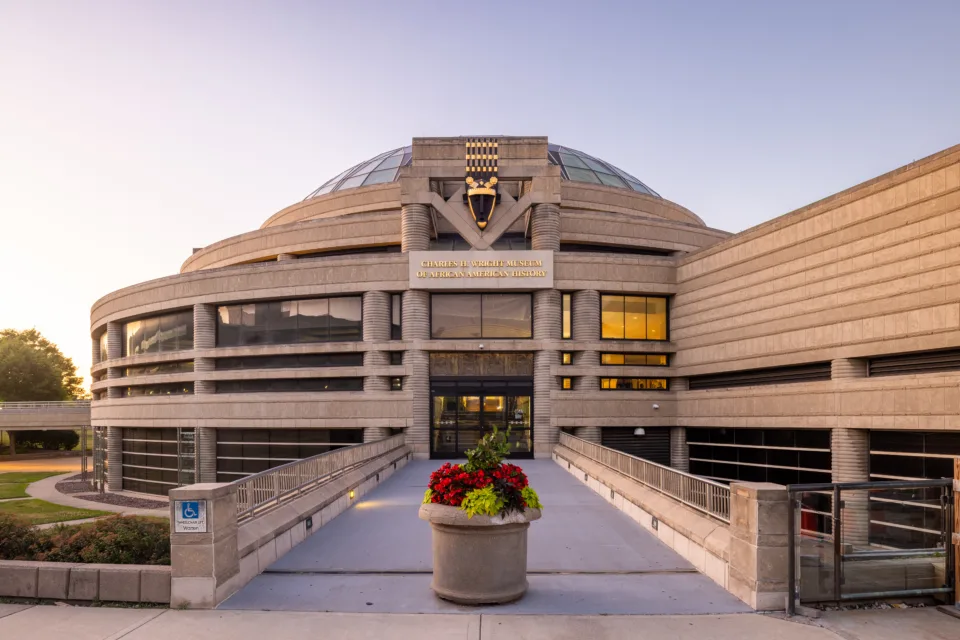
Charles H. Wright Museum of African American History

College for Creative Studies
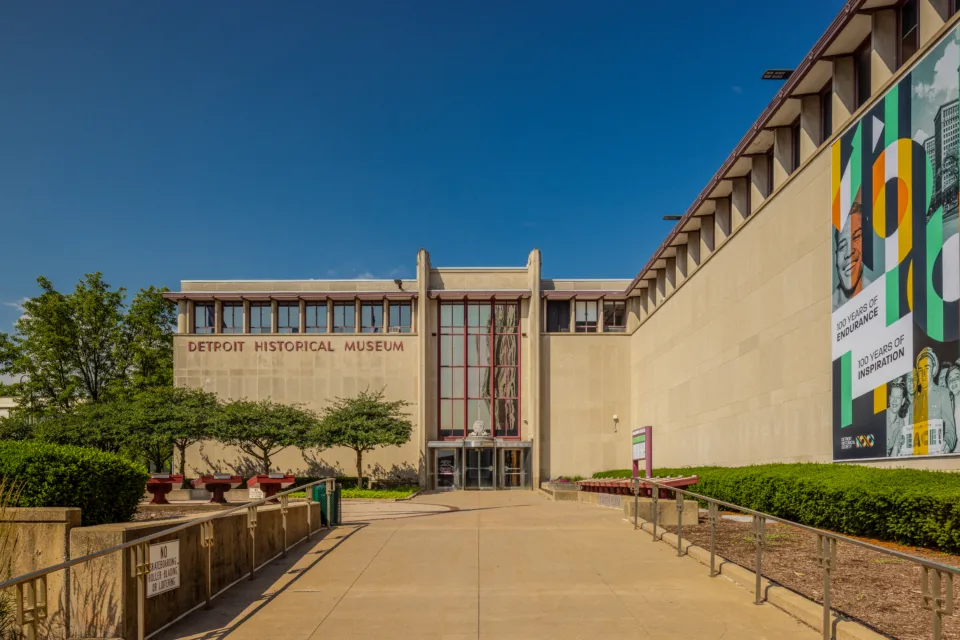
Detroit Historical Museum
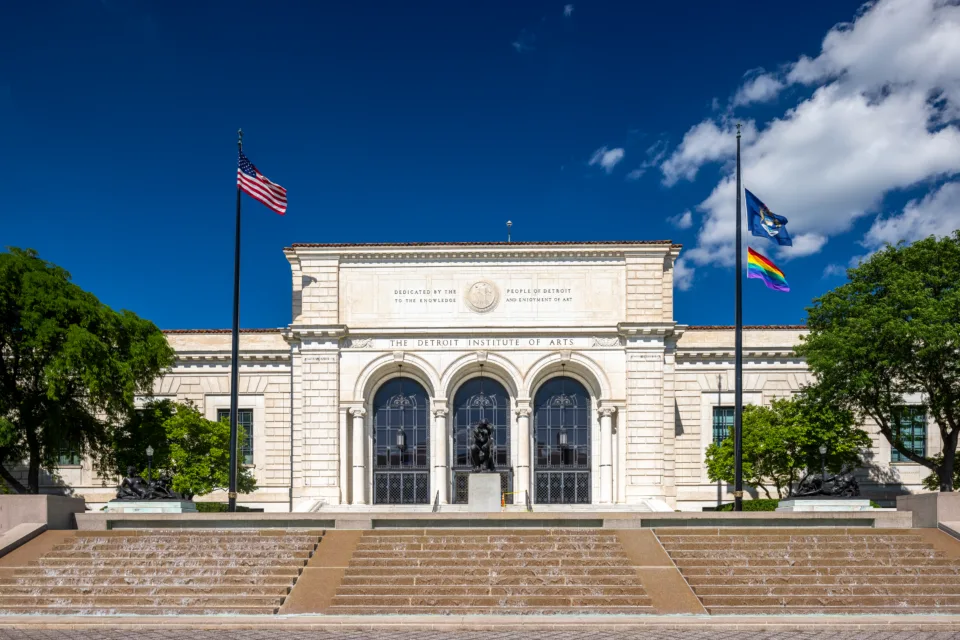
Detroit Institute of Arts
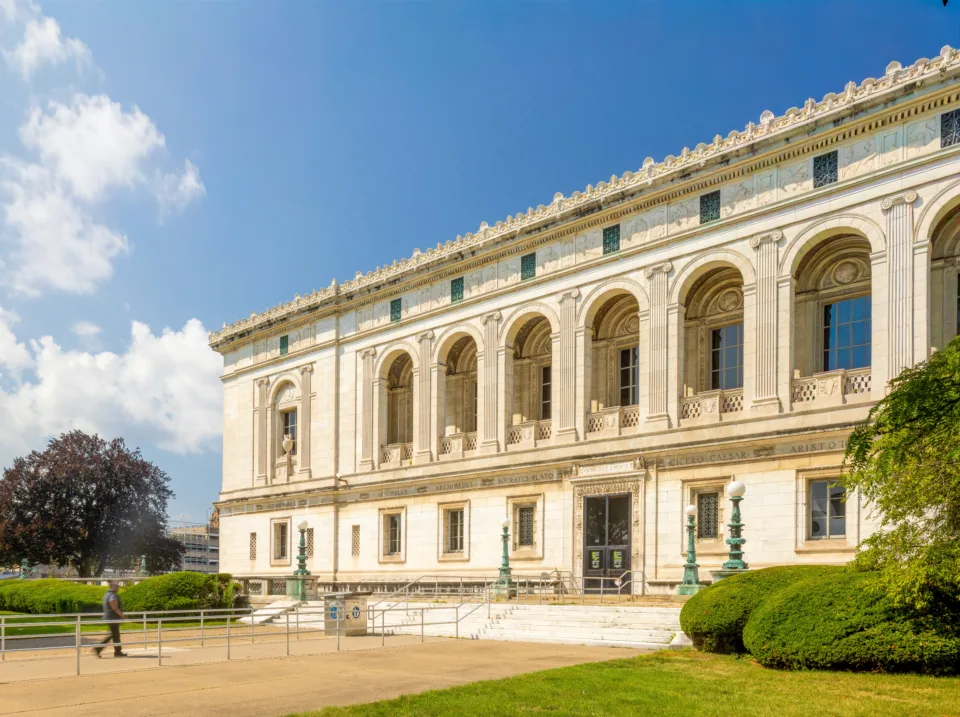
Detroit Public Library

Hellenic Museum of Michigan
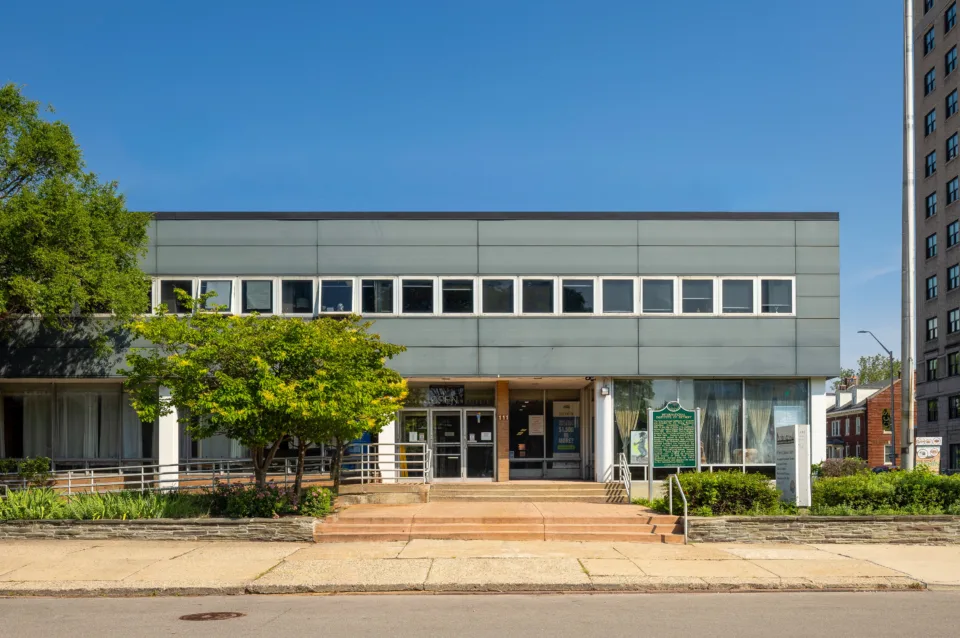
International Institute of Metropolitan Detroit
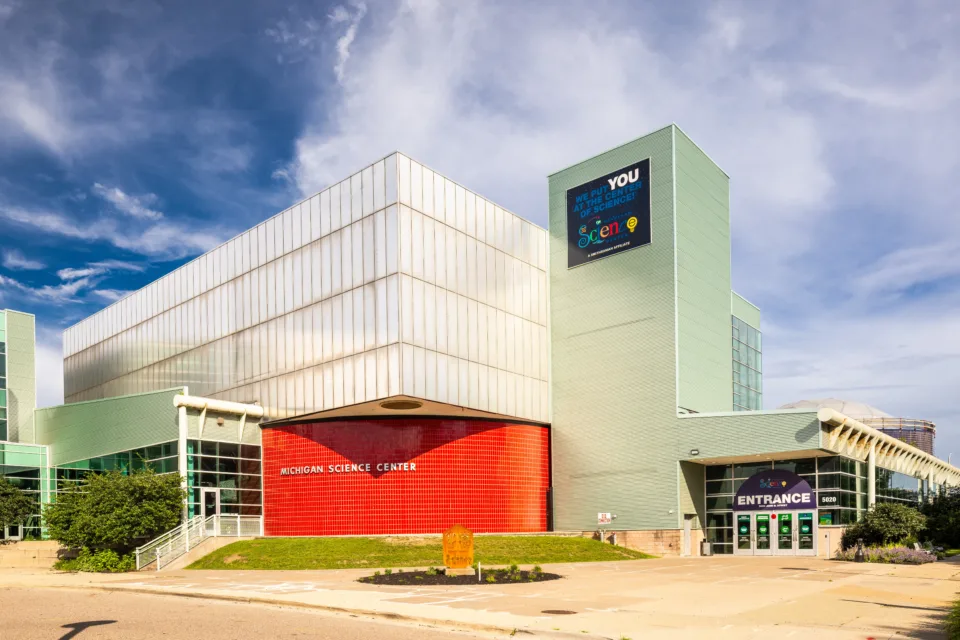
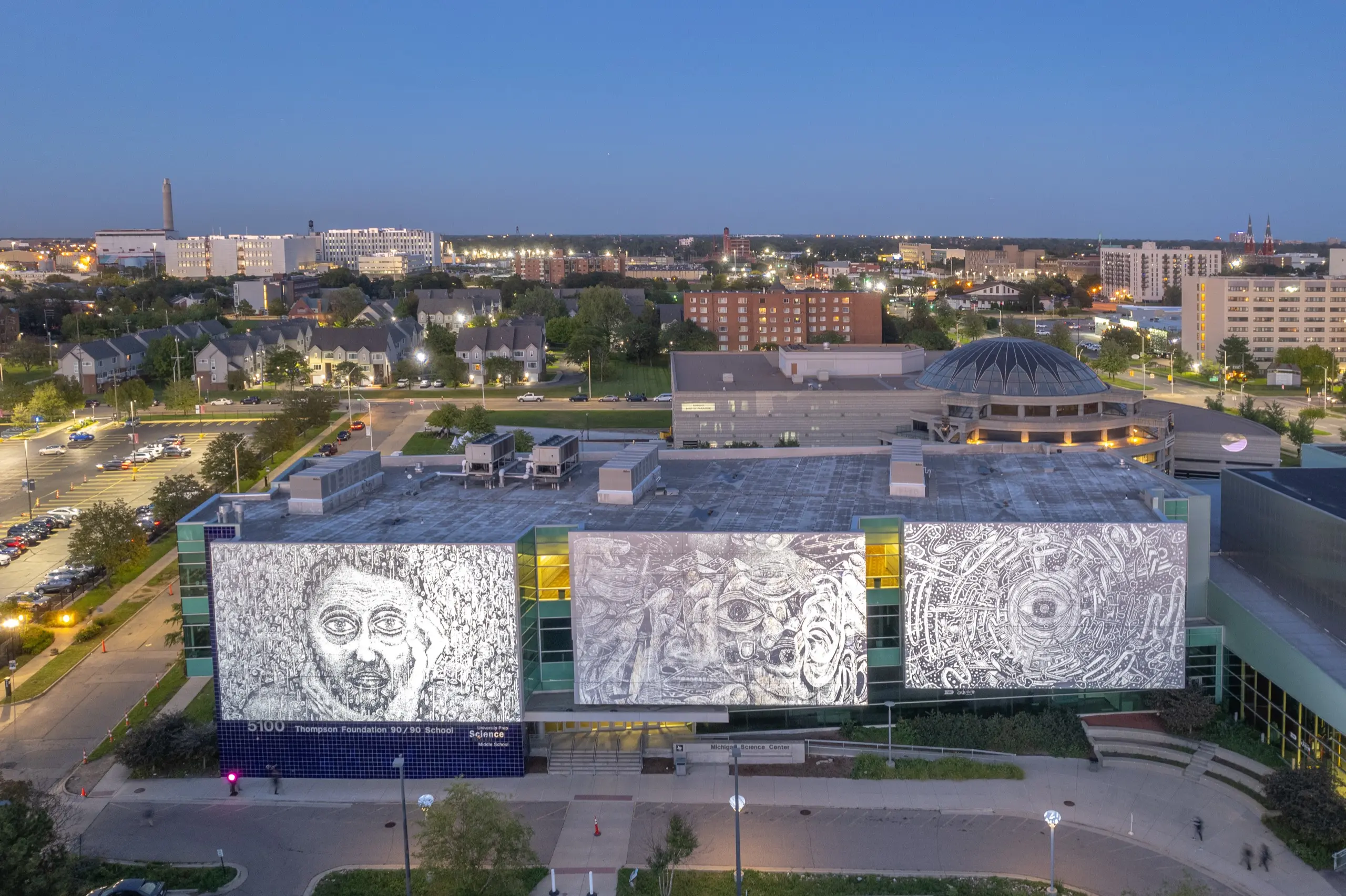
Michigan Science Center
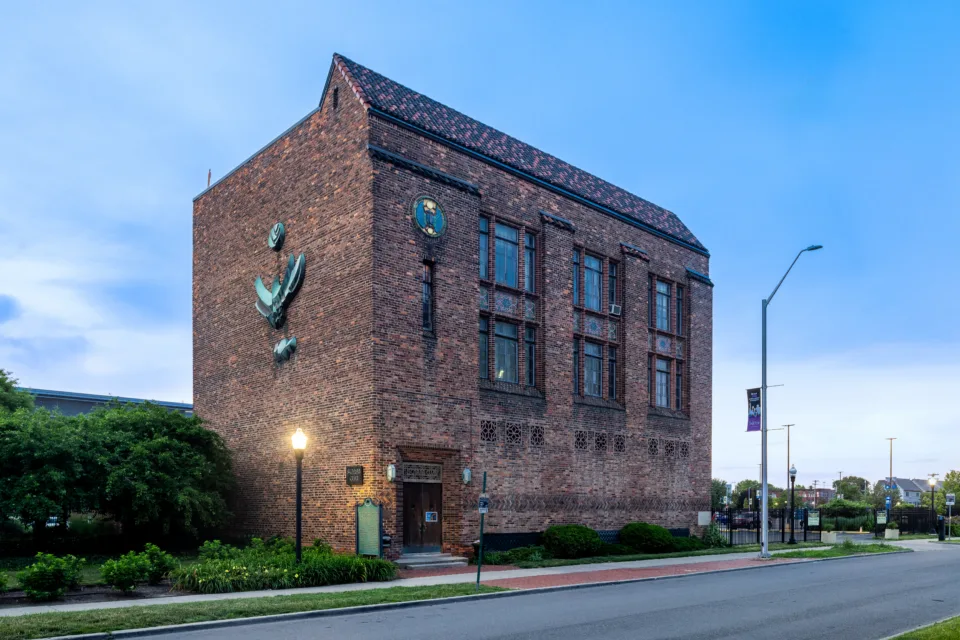
The Scarab Club

University of Michigan
Future Development
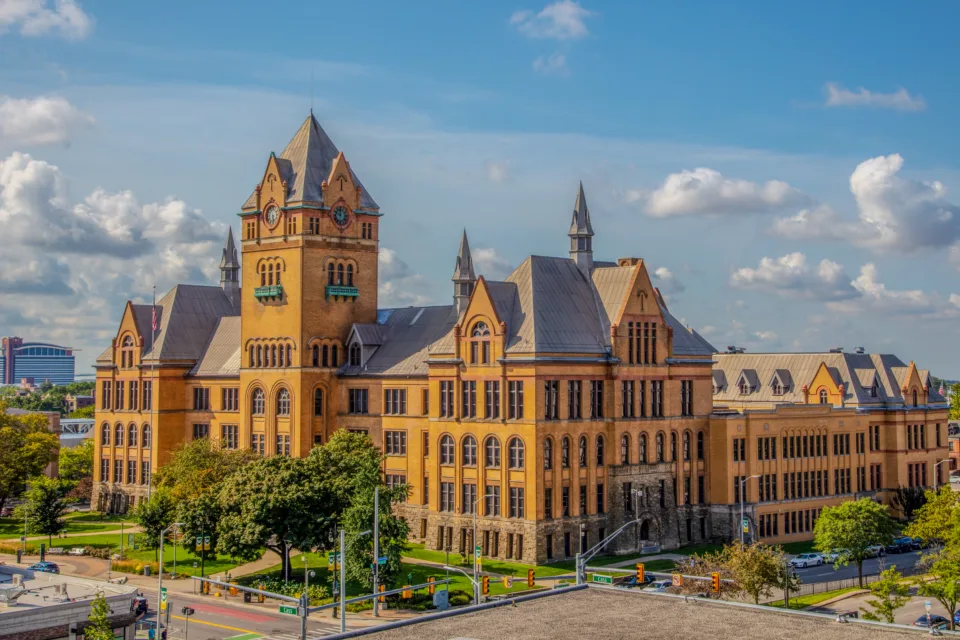
Wayne State University
How to Get to the Cultural Center
No matter how you travel, getting to the Detroit Cultural Center is simple and convenient.
From Detroit Metro Airport
Take I-94 East to Exit 215C for Woodward Ave / John R St
Via I-75
Take Exit 53A for Warren Ave
Via M-10 (Lodge Freeway)
Take Exit 3 for Forest Ave / Warren Ave
Via I-94
Take Exit 215C. Depending on direction of travel, this exit may be signed Woodward Ave / John R St or Woodward Ave / Brush St
Via I-96
Take Exit 190A for I-94 East / Port Huron, then continue on I-94 East to Exit 215C for Woodward Ave / John R St
From Canada
International visitors arriving from Canada can enter Detroit via the Detroit–Windsor Tunnel or the Ambassador Bridge. From either crossing, connect to I-75 North or M-10 North and follow the directions above or take Woodward Avenue directly to the Cultural Center.
By QLine
The QLine streetcar runs along Woodward Avenue, with stops in the Cultural Center at Ferry Street and Warren Avenue. Trains operate approximately every 15 minutes.
By Bus
DDOT and SMART bus routes 4, 8, 16, 461, and 462 serve the Cultural Center along Warren, Woodward, and Cass Avenue. Check agency websites for current routes and schedules.
Intercity buses arrive at the Detroit Bus Station near downtown. From there, transfer to a local bus or take the QLine north to the Cultural Center.
The D2A2 and Detroit Air Xpress connect Ann Arbor and the Detroit Metro Airport to downtown Detroit. From downtown, transfer to a local bus or take the QLine north to the Cultural Center.
By Train
The Amtrak Detroit Station is located in New Center, just north of the Cultural Center along Woodward Avenue. From there, take the QLine or a southbound bus to reach the Cultural Center.
By Foot
The Detroit Cultural Center is designed to be explored on foot. Institutions are located within a short walk of one another, along with nearby shops and restaurants in Midtown.
By Bike
Cycle to the Cultural Center through Detroit’s growing network of bike lanes and greenways, including popular routes such as the Midtown Loop, Dequindre Cut, and Joe Louis Greenway.
MoGo bike share stations are located throughout the Cultural Center, Detroit, and surrounding suburbs, connecting visitors to a citywide bike network.
Parking is widely available throughout the Detroit Cultural Center, with rates typically ranging from $7 to $15.
Nearby Parking Options:
- Detroit Historical Museum Parking Lot
- Detroit Institute of Arts Cultural Center Parking Lot
- WSU Parking Structure 3
- WSU Parking Structure 6
Metered street parking is also available throughout the area.
Make the most of your visit with local spots
Click on the sidebar icon to reveal filters to view specific type of spots


Accessibility
The Detroit Cultural Center Association is committed to fostering a district that is welcoming and accessible to all. A walkable cultural campus, the Cultural Center’s close proximity of institutions allows visitors to navigate between destinations with ease. Many institutions also offer free admission days, free programs, or are always free to the public, helping ensure arts and culture remain open to everyone.
Many institutions feature ADA-accessible entrances, elevators, and restrooms to support visitors with mobility needs. Some institutions also offer additional accommodations such as wheelchair availability, assistive listening devices, ASL interpretation, sensory supports, and other services for visitors with disabilities.
Because the Cultural Center includes multiple independent institutions, many of which are located in historic buildings, accessibility policies and features vary by location. We encourage visitors to review accessibility information on each institution’s website or contact them directly in advance of their visit to confirm accommodations. For general district navigation questions, DCCA is available to assist.
